
Skip to content
Free Shipping above ₹499 | All India Delivery

Monstera Obliqua Hanging Live Indoor Plant | 12cm Pot

4.41 ( 29  Reviews )
Original price Rs. 649.00 - Original price Rs. 649.00
Original price
Rs. 649.00
Rs. 649.00 - Rs. 649.00
Current price Rs. 649.00
SKU MON-OBLH-012
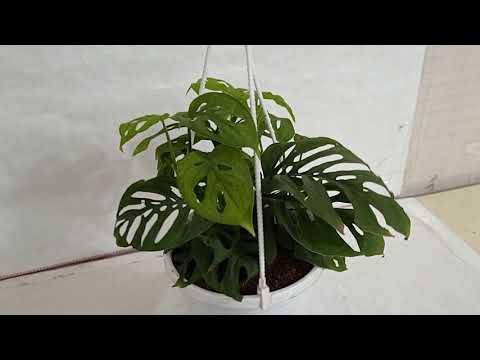
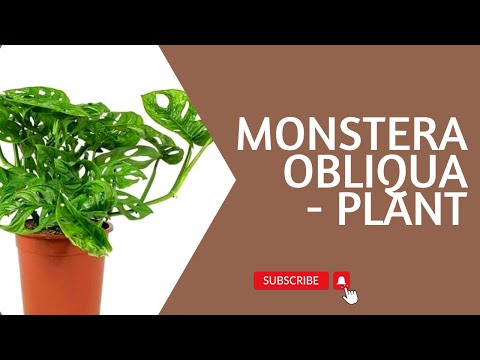
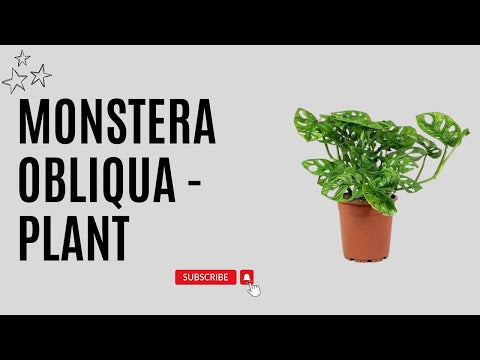
If a plant could look like living lacework, this is it — the Monstera Obliqua Hanging arrives in a 12cm pot with heart-shaped, light-to-dark green leaves so dramatically fenestrated that up to 90% of the leaf surface can be open space. Unlike the far more common Monstera Adansonii, the Obliqua shows this extreme holey pattern even as a young plant, and its leaves are noticeably thinner and more translucent — almost delicate to the touch. As a natural epiphyte, it trails and climbs beautifully in the right setting, making it a rare collector's statement piece rather than just another foliage plant on the shelf.
Watering

Water when the top layer of soil is dry.

Light

Monstera Obliqua requires bright, indirect light — a north- or east-facing window is ideal. Keep it away from direct afternoon sun, which will scorch its ultra-thin leaves.

Pet Friendliness

Keep out of pet reach — This plant and your furry friends cannot become the best buds.

Fertilizer

Feed occasionally with a balanced fertilizer during the growing season.

Also Known As: Swiss Cheese Vine, Fenestration Plant

Color may appear slightly different in person due to photographic lighting and monitor settings.

Monstera Obliqua's paper-thin, waxy-surfaced leaves with their dramatic, lace-like holes stop people mid-step — and once you understand just how rare this plant is, that reaction makes complete sense. The leaves range from light lime to a deeper forest green, elongated with a gentle curl at the edges, held on thick, sturdy petioles that belie the almost translucent fragility of the blade itself.

About Monstera Obliqua Hanging

Native to the tropical rainforests of Central and South America, this plant thrives in the wild as an epiphytic plant — anchoring itself to tree bark and drawing nutrients from air, water, and forest debris rather than deep soil. That origin story explains everything about how to care for it: it craves the warmth and high humidity tropical environments provide, and its roots prefer an airy, loose medium over dense potting mix. What sets the Obliqua apart from every other hole-leafed Monstera is the fenestration, which appears dramatically even when the plant is young — those elongated holes can cover nearly the entire leaf surface, giving it that iconic, almost skeletal silhouette that collectors hunt for. The long, trailing stems with their climbing growth habit make the hanging format especially natural for this variety.

Rare Houseplant for Your Living Room

Indoor Plants for Living Room India

The Obliqua Hanging's trailing stems and lace-like foliage create an immediate focal point in any living room — hang it from a ceiling hook near an east-facing window or let it drape from a high shelf, and it draws the eye in a way that solid-leafed plants simply cannot. In Indian homes, where living room décor often mixes natural textures with bold statement pieces, this plant earns its place effortlessly.

Collector's Statement Piece

This is one of the rarest plants you can grow at home — outside specialist plant circles, most people have never seen a true Monstera Obliqua in person. Even seasoned plant parents treat it as a prized addition to their collection, the kind of plant that becomes the first thing guests ask about. Owning one puts you in genuinely rare company.

Dramatic Trailing Growth Habit

The hanging variety's long, trailing stems — held by thick, sturdy petioles — make it ideal for hanging planters, high shelves, or moss pole setups where it can climb. As it matures, the stems lengthen beautifully, adding vertical drama to any space without taking up floor area.

A Living Work of Art

No two leaves on an Obliqua look identical — the pattern and extent of the fenestration shifts with each new leaf, making the plant a genuinely evolving display. The waxy surface catches light differently across the shades of green, from pale, almost translucent sections to deeper, richer patches.

How to Style Your Obliqua Hanging Plant at Home

The Obliqua Hanging is most striking when positioned where light can pass through its fenestrated leaves — near a sheer-curtained window is ideal, as the filtered light turns each leaf into a small piece of natural art. Avoid draughty AC vents and keep it away from direct afternoon sun, which will scorch its ultra-thin foliage. A bathroom with a bright, frosted window is genuinely one of the best spots in an Indian home, given the naturally higher humidity from daily use.

Bright Indirect Light and Placement

Place your Obliqua where it receives bright indirect light — a north- or east-facing window is ideal, as prolonged direct sun will scorch the ultra-thin leaves. Indoors, the well-draining orchid bark mix it's potted in helps manage moisture levels as the plant settles into its new spot; replicate this with a custom blend of orchid bark, coconut coir, perlite, and a small amount of activated charcoal when it's time to repot.

Also Known As: Swiss Cheese Vine, Windowleaf, Fenestration Plant

Why Buy from Chhajed Garden

This Obliqua Hanging is grown in-house at Sanjay Nursery, drawing on 40+ years of cultivation experience, in cocopeat-based media that supports healthy, well-established roots from day one. Every plant comes with our 7-day replacement guarantee — because a plant this special deserves to arrive in perfect condition.

There is simply no other houseplant that turns light into lace the way the Monstera Obliqua does — once you hang it up, you'll understand why collectors call it one of the most extraordinary plants alive.

Frequently Asked Questions

Find answers to common questions

The key difference is in the leaves: Monstera Adansonii varieties have thicker, leathery leaves with moderate holes that develop as the plant matures, while Monstera Obliqua has almost translucent, paper-thin leaves with extreme fenestration visible even on young plants — often with holes covering up to 90% of the leaf surface. If the leaves look solid and waxy with modest holes, it's almost certainly an Adansonii.

Bright, indirect light is essential — a north- or east-facing window is the safest spot. Prolonged direct sun, especially in Indian summers, will scorch the ultra-thin leaves.

This plant needs very high humidity — ideally 80% and above — which is significantly higher than most houseplants. A pebble tray with water, regular misting, or placing it in a naturally humid bathroom are the most practical options in Indian homes.

Water when the top layer of soil is dry. The Obliqua's thin roots are particularly prone to rot, so consistent but sparing watering is far safer than keeping the soil continuously moist.

It needs a very well-draining, airy substrate — a mix of orchid bark, coconut coir, perlite, and activated charcoal works well, mimicking the loose debris of its natural forest floor habitat. Dense potting soil will compact around the roots and cause problems quickly.

Insufficient light is the most common cause — move it closer to a bright, indirect light source and new leaves should show improved hole development. Low humidity can also slow fenestration, so increasing moisture levels around the plant often helps.

Yes — stem cuttings with at least one node and a healthy aerial root taken during the growing season (spring to early monsoon) give the best results, placed in water or a moist mix of perlite and coir. Success rates improve significantly when humidity is kept high during the rooting period.