

Skip to content
Free Shipping above ₹499 | All India Delivery

Monstera Adansonii Live Indoor Plant | 10cm Pot

4.9 ( 8  Reviews )
Original price Rs. 199.00 - Original price Rs. 199.00
Original price
Rs. 199.00
Rs. 199.00 - Rs. 199.00
Current price Rs. 199.00
SKU MON-ADA-010
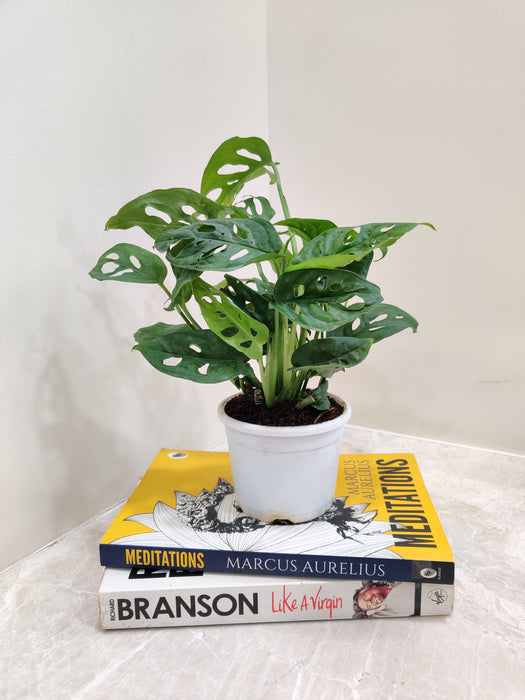
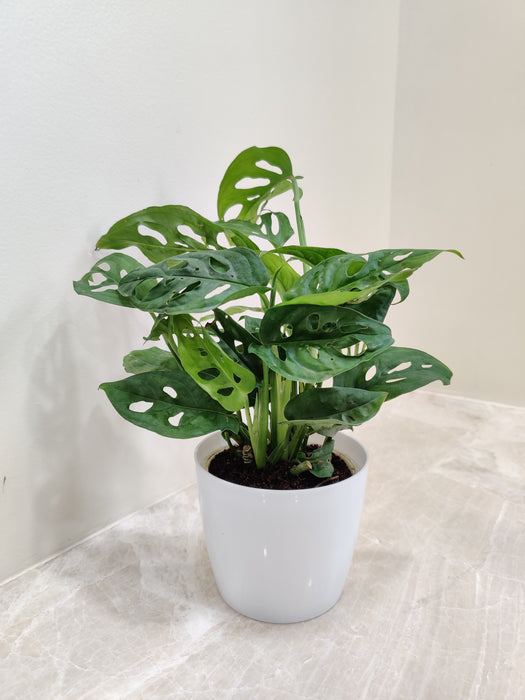
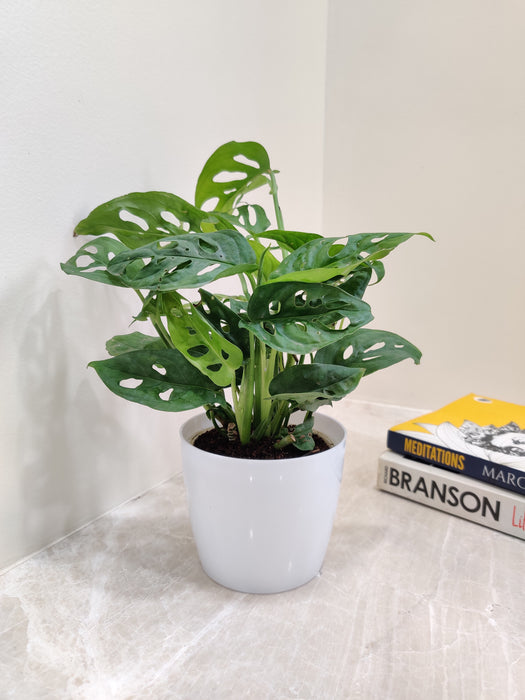
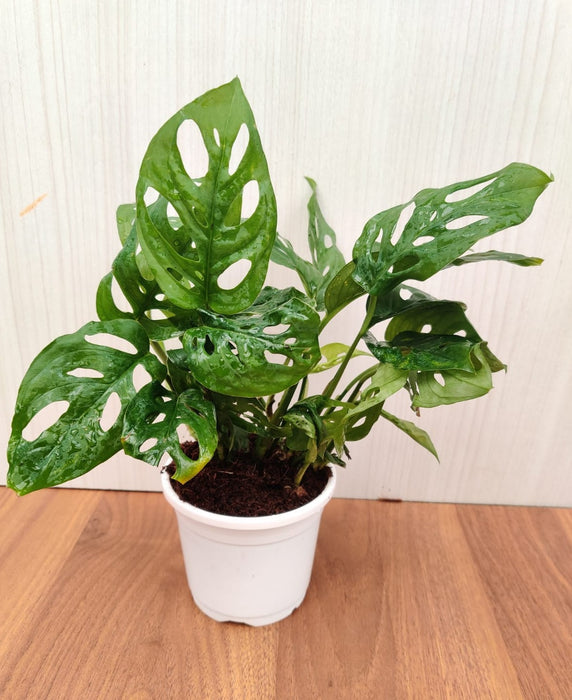
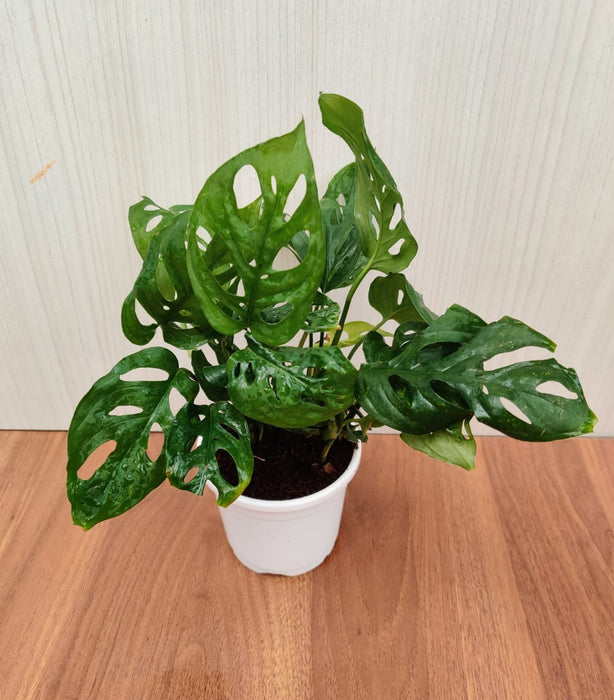
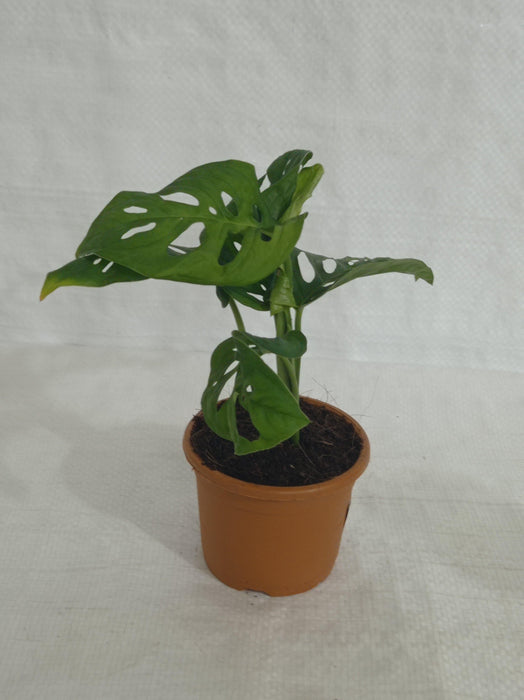
Walk into any room where this vine is trailing and you notice the leaves first — deep glossy green, heart-shaped at the base, and punched through with those signature holes that gave it the nickname Swiss Cheese Vine. What sets Monstera adansonii apart from its famous cousin Monstera deliciosa is its smaller, more intricate leaf structure: the fenestrations run closer to the leaf edges, creating a lacier, more dramatic silhouette. Comes in a 10cm pot — the perfect starter size for a windowsill, work desk, or a hanging planter where the trailing vines can really show off. Keep it in bright indirect light and this fast grower will reward you handsomely.
Watering

Water when the top layer of soil is dry.

Light

Monstera adansonii needs bright indirect light to grow well and develop its signature leaf holes — a spot near a north or east-facing window is ideal. Avoid direct afternoon sun, which will scorch the glossy leaves.

Pet Friendliness

Keep out of pet reach — This plant and your furry friends cannot become the best buds.

Fertilizer

Feed occasionally with a balanced fertilizer during the growing season.

Also Known As: Swiss Cheese Vine, Five Holes Plant, Monkey Mask Plant

Color may appear slightly different in person due to photographic lighting and monitor settings.

Those deep green, glossy leaves with their distinctive perforations are what make monstera adansonii immediately recognisable the moment it lands on your doorstep — no other vining houseplant quite looks like this, and no two leaves are exactly the same.

About Monstera Adansonii

Named after the French botanist Michel Adanson — which is why you'll sometimes see it labelled Adanson's Monstera — this tropical vine hails from the rainforests of Central and South America, where it climbs tree trunks using its aerial roots. Indoors, it grows a manageable 3 to 8 feet long with a vigorous growth rate of one to two feet per year in good conditions. The fenestration and leaf splitting that make this plant so striking actually develop as the plant matures — younger leaves are more whole, and the characteristic holes appear and deepen over time. It thrives in a well-draining soil mix that holds just enough moisture without ever sitting waterlogged; soggy roots are genuinely its biggest enemy.

Monstera Adansonii Benefits

Bright Indirect Light Lover

Place it near a north or east-facing window and this vine will grow steadily without drama. It will tolerate medium light but will slow down, and intense afternoon sun will scorch those glossy leaves. A good rule of thumb: if the new leaves are coming in without holes, move it a little closer to the light — unsplit leaves are the plant's polite way of saying it wants more brightness.

Fast-Growing Statement Vine

Few houseplants reward patience this visibly — at one to two feet of new growth per year, you'll watch this vine change week to week. Let it trail from a shelf or hanging planter and the long, hole-punched vines create a living curtain of deep green that no printed wallpaper can replicate. It's equally at home on an office desk in its 10cm pot as it is eventually draping an entire bookshelf.

Versatile Home Décor Plant

Unlike many statement plants that demand a specific style of interior, the Swiss cheese vine works in every setting — a minimalist white desk, a warm wooden shelf, a boho macramé hanger, a bright Indian living room window. The glossy, vibrant sheen on each leaf catches light beautifully, and the trailing growth habit means the plant itself decides how it looks best. A housewarming gift that genuinely surprises people.

Easy to Propagate and Share

Once your plant is growing well, cuttings root readily in water — just snip a stem just below a leaf node and place it in a glass of clean water in a bright spot. The aerial roots that emerge from the stem nodes speed up the process considerably. It's one of the most beginner-friendly plants to propagate, which means one healthy plant can eventually become many.

Aerial Roots and Climbing Habit

In the wild, Monstera adansonii uses its aerial roots — thick, cord-like roots that emerge from the stem nodes — to anchor itself against tree trunks as it climbs toward the canopy. Indoors, you have two equally beautiful options: press a moss pole support into the centre of the pot and train the vines upward as they grow, which encourages larger, more fenestrated leaves; or let the plant trail freely from a hanging planter or high shelf, where the vines will cascade downward in long, lacy runs. Either way, the aerial roots are harmless and can be tucked into the soil or moss pole rather than trimmed.

Also Known As: Swiss Cheese Vine, Five Holes Plant, Monkey Mask Plant

Why Chhajed Garden

Every plant we send out is grown in-house at Sanjay Nursery, nurtured over 40+ years of growing experience, in cocopeat-based media that gives roots a healthy, well-aerated start. If your plant arrives in anything less than good condition, our 7-day replacement guarantee means you are covered — no back-and-forth, no hassle.

When those first new leaves unfurl and you spot the holes beginning to form, you'll understand exactly why this vine has captured so many plant lovers across India.

Frequently Asked Questions

Find answers to common questions

Yes — all parts of Monstera adansonii are toxic to cats and dogs if ingested, causing irritation and discomfort. Keep it out of reach of pets, or choose a hanging placement where curious animals cannot reach the trailing vines.

Curling leaves on a Monstera adansonii usually signal either underwatering or low humidity — both are common in dry AC-heavy rooms during Indian summers. Check the soil moisture first, and if the plant is near a direct air-conditioning vent, move it a little further away.

Fenestration — the characteristic holes — only develops when the plant is getting enough bright indirect light; unsplit leaves are a reliable sign it needs a brighter spot. Move it closer to a window (but away from harsh afternoon sun) and new leaves should emerge with fenestrations.

Water when the top layer of soil is dry, then water thoroughly until it drains from the bottom — but never let it sit in a saucer of standing water. This plant hates soggy soil far more than it minds a brief dry spell.

Insert a moss pole into the centre of the pot and gently tie the main stem to it as it grows — the aerial roots will grip the moss naturally over time. Training it upward encourages larger leaves with more pronounced fenestrations compared to trailing growth.

Cut a healthy stem just below a leaf node that has an aerial root, then place it in a glass of water in a bright spot — roots establish quickly, often within two to three weeks. Once the roots are a few centimetres long, pot the cutting into a well-draining mix.

The most common forms are the Narrow Form (elongated leaves) and the Wide Form (broader, more oval leaves); a third type, 'Laniata', has longer leaves with more symmetrical fenestrations and is more sought after. Variegated forms like 'Aurea' and 'Albo' also exist but are significantly rarer and more expensive.