Skip to content
Free Shipping above ₹499 | All India Delivery

Fittonia Red Plant Live Indoor House Plant in 7cm Pot

5.0 ( 2  Reviews )
Original price Rs. 249.00 - Original price Rs. 249.00
Original price
Rs. 249.00
Rs. 249.00 - Rs. 249.00
Current price Rs. 249.00
SKU FITT-RED-007
Look closely at those leaves and you'll see why this one stops people mid-scroll — every ovate, slightly glossy leaf is mapped with intense red veining over a deep green base, like nature drew its own road map. Unlike Fittonia varieties with soft pink or white veins, the 'Red' variety delivers the boldest vein contrast in the family, making it instantly recognisable on any desk or shelf. It arrives in a compact 7cm pot, sized perfectly for windowsills, study tables, or tucked into a glass terrarium where its humidity-loving nature truly shines. Small in footprint but big on character — this is the kind of plant that earns compliments before you even mention its name.
Watering

Water when the top layer of soil is dry.

Light

Fittonia Red grows best in low to medium indirect light. If placed near a window, filter direct sunlight with a sheer curtain to protect the vivid red-veined leaves from scorching.

Pet Friendliness

The Fittonia is pet safe.

Fertilizer

Feed occasionally with a balanced fertilizer during the growing season.

Also Known As: Nerve Plant, Mosaic Plant
The fittonia red plant is one of those rare finds where the foliage does all the talking — deep green, slightly textured ovate leaves threaded through with vibrant red veins that look almost hand-painted. The leaves cluster closely together, giving the plant a lush, full appearance even in its compact 7cm starter pot.

Color may appear slightly different in person due to photographic lighting and monitor settings.

About the Fittonia Red Nerve Plant

Botanically known as Fittonia albivenis, the nerve plant is a tropical houseplant native to the rainforests of South America — and the 'Red' variety is distinguished from all its cousins by the intensity of its pinkish-red veining, which runs densely across every leaf surface. What makes this variety visually distinct is not just the color but the contrast: the dark green base makes those red veins pop in a way that gentler pink or white-veined Fittonias simply don't. It is a naturally compact, slow-spreading plant that stays small and tidy, making it one of the most manageable tropical houseplants you can keep indoors. Its low, creeping growth habit means it fills out beautifully in shallow pots and wide terrariums alike.

Fittonia Red as a Terrarium Plant and Indoor Showpiece

Thrives in Low to Medium Light

One of the biggest advantages of keeping this fittonia indoor plant is that it genuinely does not need a bright sunny window. It performs beautifully in low to medium light — the kind of ambient indoor light that most Indian apartments already have. If you do place it near a window, filter the light with a sheer curtain to prevent leaf scorch, since direct afternoon sun can brown those vivid red-veined leaves.

Loves High Humidity: Perfect for Terrariums and Bathrooms

Fittonia Red absolutely thrives in high humidity, which makes it one of the most rewarding terrarium plants you can grow — sealed or semi-open glass containers keep moisture levels consistently elevated, and the plant rewards you with lush, tightly clustered growth. During India's dry winters or in AC-heavy rooms, mist the leaves occasionally or set the pot on a pebble tray with water to keep the air around it moist. The monsoon months, on the other hand, are when this plant genuinely comes alive.

Air Purifying Properties

Beyond its looks, Fittonia Red has air purifying properties, quietly working on the air quality in whichever corner of your home it occupies. For a plant this small and low-maintenance, that's a meaningful bonus — especially for study rooms, bedrooms, and home offices where you spend long hours.

Desk and Tabletop Ready

At 7cm, this is a true starter size — compact enough for a work desk, a bathroom shelf, or a bedside table without crowding the space. The small, densely packed leaves give it a full, lush appearance even at this size, and it makes a thoughtful housewarming or desk gift for anyone who loves plants but is new to caring for them.

Also Known As: Nerve Plant, Mosaic Plant
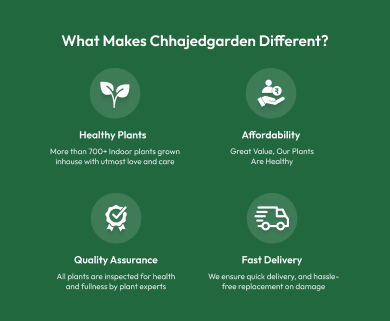
Why Chhajed Garden

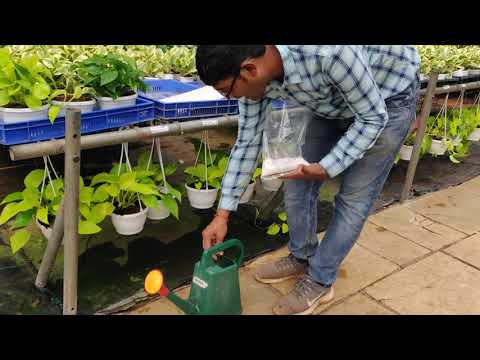
This plant is grown in-house at Sanjay Nursery, drawing on 40+ years of hands-on growing experience, and dispatched in nutrient-rich cocopeat that keeps roots healthy through transit. Every order comes with our 7-day replacement guarantee — because we stand behind every plant that leaves our nursery.

Once those red-veined leaves settle into your space, you'll find yourself checking on them just to see the light catch that colour.

Frequently Asked Questions

Find answers to common questions

Yes — it's one of the best terrarium plants you can grow, because enclosed glass containers naturally maintain the high humidity this plant craves. It stays compact and spreads neatly along the terrarium floor.

Take a stem cutting with 2–3 leaf nodes, remove the lower leaves, and place it in moist soil or water — roots typically develop within 2–3 weeks. Keeping the cutting in a humid spot or covering it loosely with a plastic bag speeds up rooting significantly.

Drooping is almost always a watering signal — this plant wilts dramatically when thirsty but recovers quickly once watered. If the soil is already moist and leaves are still drooping, low humidity is usually the cause.

Place the pot on a shallow tray filled with pebbles and water, keeping the pot base above the waterline. Alternatively, group it with other plants or move it to a bathroom — both raise ambient humidity without any extra effort.

Fittonia Red is considered non-toxic to cats and dogs, making it a suitable choice for pet-friendly homes. That said, it's best to discourage pets from chewing on any houseplant regularly.

It grows well in low to medium indirect light — a spot a metre or two from a window works well. Keep it away from harsh afternoon sun, which can bleach or scorch the distinctive red-veined leaves.

AC rooms are the trickiest environment for this plant because they strip out humidity quickly. Place it away from direct airflow vents and mist the foliage every few days to compensate for the dry air.